
Robocalls from law firms are a growing problem in Ohio. To combat this, residents can register for the state's "Do Not Call" list and use specialized apps like CallBlock, Nomorobo, Hush, and TrueCall to block spam calls. These apps use machine learning and community-driven blacklists to identify and filter out unwanted calls from law firms, empowering Ohioans to adhere to Do Not Call laws and protect their privacy.
In Ohio, as across the nation, robocalls have become a ubiquitous nuisance. These automated calls, often from law firms and other businesses, can be intrusive and misleading. Understanding Ohio's Do Not Call laws is a crucial first step in protecting your privacy. This article explores top apps designed to block automated calls, offering guidance on how to safeguard your phone from spammers while navigating legal scams effectively. Learn about the best applications for maintaining peace amidst the constant influx of unwanted robocalls.
Understanding Robocalls and Ohio Laws
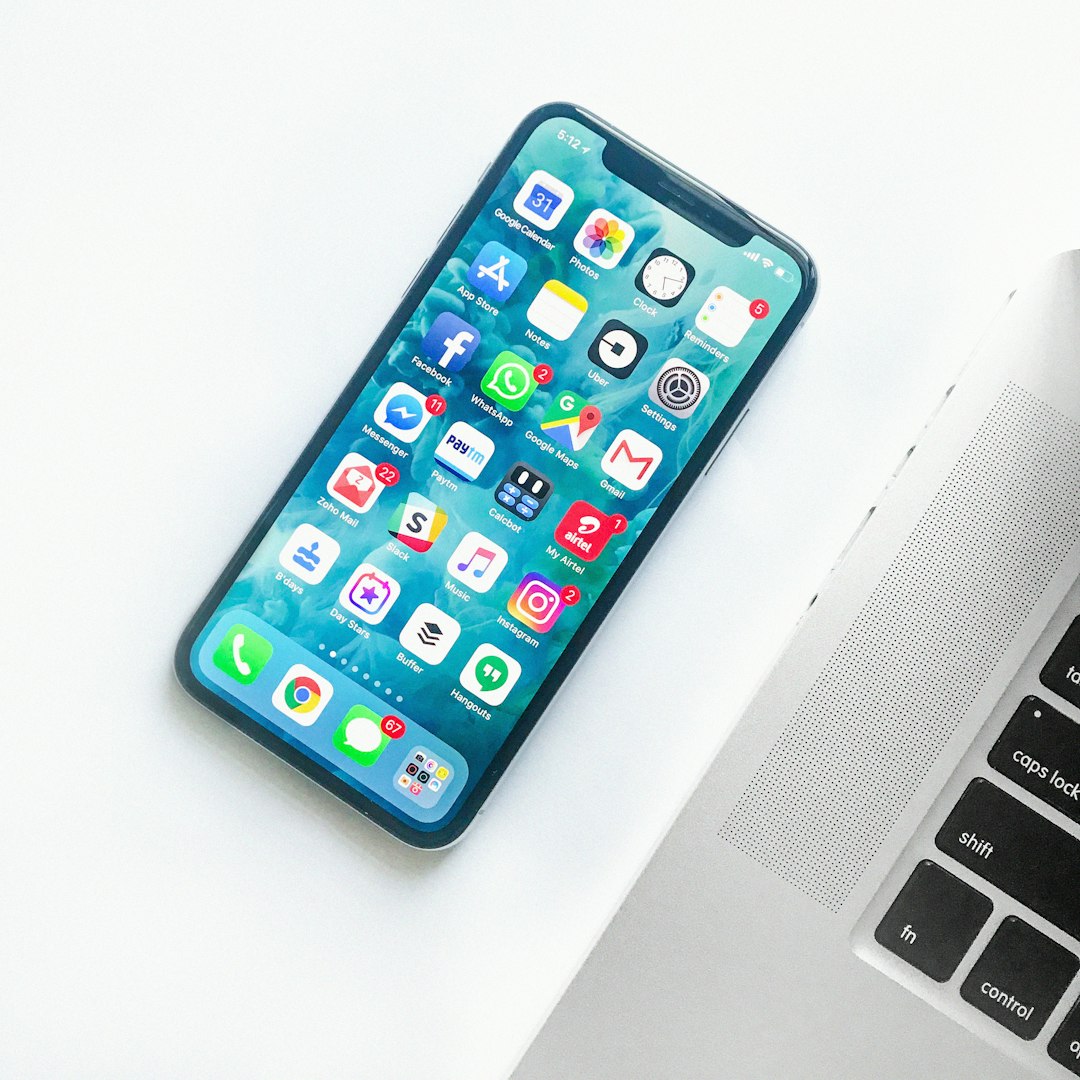
Robocalls, automated phone calls or texts sent in bulk, have become a ubiquitous and often unwanted part of daily life for many Americans, including Ohioans. While some robocalls promote valuable services or offer legitimate information, others are designed to manipulate, deceive, or harass recipients. These pesky calls can include marketing messages from telemarketers, debt collection efforts, or even fraudulent schemes aimed at stealing personal information.
In Ohio, the Do Not Call law, as mandated by the Federal Trade Commission (FTC), provides consumers with a powerful tool to combat these unwanted calls. The law allows residents to register their phone numbers on the "Do Not Call" list, restricting commercial calls from certain businesses and organizations, including law firms. By adhering to this legislation, Ohioans can enjoy greater peace of mind, knowing that they have a legal right to control and reduce the volume of robocalls they receive.
Top Apps to Block Automated Calls

In today's digital era, Ohio residents are facing an increasing number of automated calls, often known as robocalls, from various sources including law firms. To combat this nuisance, several apps have emerged that promise to protect users from unwanted calls. One of the top choices is CallBlock, an app that utilizes advanced algorithms to identify and block both spam and automated calls. Another popular option is Nomorobo, which not only blocks robocalls but also offers features like call screening and voice messaging.
For those specifically looking to avoid law firm robocalls, Hush stands out. This app allows users to customize their blocking settings to exclude specific numbers or ranges, including those from law firms. By leveraging machine learning, Hush continuously updates its database of known spam and automated callers, ensuring Ohioans stay protected. Additionally, apps like TrueCall offer similar protections against robocalls, with features like call identification and the ability to block calls directly from the app's interface, making it easier than ever for residents to enforce the Do Not Call laws in Ohio.
Protecting Your Phone from Spammers

Spam calls, particularly from law firms, can be a nuisance and a privacy invasion for any phone user. Luckily, apps designed to prevent robocalls offer a helpful solution for Ohioans looking to protect their phones. These applications leverage advanced machine learning algorithms to identify and block spam before it even reaches your caller ID. By continuously updating their databases with the latest known spammer numbers, these apps ensure that you're less likely to be disturbed by unwanted calls from law firms or any other sources.
Many of these robocall-blocking apps also provide features like call screening and number identification, allowing users to make informed decisions about whether to answer a call. In Ohio, where the Do Not Call laws are in place, these apps can serve as powerful tools to supplement your privacy protections. By using such apps, you can not only enjoy a quieter phone line but also ensure that your personal information remains secure from potential spamming attempts by law firms or other businesses.
Review: Effective Do Not Call Apps for Ohio

In today's digital era, Ohio residents are continually seeking robust solutions to combat the persistent issue of robocalls. Thankfully, numerous applications have emerged as powerful tools to protect consumers from unwanted calls, especially from law firms attempting to peddle their services. Among these apps, a few stand out for their effectiveness in blocking not just robocalls but also those from dubious legal entities.
One such application is TrueCall, renowned for its advanced caller ID and blocking capabilities. It utilizes machine learning algorithms to identify and filter out spam calls, including those from law firms known for aggressive marketing tactics. Another popular choice is NoCall, which offers a community-driven approach by allowing users to contribute to a shared blacklist of known telemarketers and legal services. These apps not only provide peace of mind but also empower Ohioans to navigate the complex landscape of telephone regulations, ensuring compliance with the state's Do Not Call laws while enjoying a quieter, more secure communication environment.
Using Apps to Navigate Legal Scams

With the rise of robocalls, especially those from law firms attempting to scam unsuspecting Ohioans, many are turning to apps as a solution for peace of mind. These applications offer more than just blocking unwanted calls; they empower users by providing tools to navigate legal scams and protect themselves from deceptive practices.
By utilizing these apps, residents can avoid falling victim to fraudulent law firm robocalls that often pose as legitimate legal services. They learn to recognize suspicious patterns, understand the legal protections available to them, and take proactive measures to safeguard their personal information. This shift in power allows Ohioans to assert control over their communication choices and ensures they receive only genuine legal assistance when needed.