Robocalls are a rising concern in Ohio, with residents facing unsolicited automated calls despite federal laws like the TCPA restricting them. Ohio residents can combat this issue by filing complaints, using blocking apps, and consulting robocall lawyer Ohio specialists for legal advice and damage recovery. Apps like Hiya, TrueCall, and NoCall offer real-time protection, but no solution is foolproof. Robocall lawyer Ohio professionals specialize in TCPA litigation, educating clients on rights, identifying violators, and taking legal action. They assist with evidence documentation, deter future violations, and ensure compliance through cease-and-desist letters, settlements, or lawsuits.
In today's digital era, robocalls have become a ubiquitous and often unwanted part of our daily lives. These automated calls, from marketing firms and unscrupulous sources, can be a nuisance, invade privacy, and even pose security risks. For Ohio residents, navigating this problem requires understanding the best tools available to combat these relentless calls. This article provides an in-depth exploration of the top Ohio apps designed to filter and block robocalls, offering practical solutions for concerned citizens—including those seeking assistance from a robocall lawyer Ohio may need if legal action becomes necessary.
Understanding Robocalls in Ohio: Legal Rights & Protections

Robocalls have become a pervasive issue across Ohio, with many residents receiving unsolicited calls from automated systems. Understanding your legal rights and protections is crucial when navigating these intrusions. In Ohio, robocall regulations are enforced by the Federal Communications Commission (FCC) and state laws, which provide certain safeguards for consumers. One significant federal law, the Telephone Consumer Protection Act (TCPA), restricts automated telephone marketing calls, including robocalls, without prior explicit consent.
Ohio residents have specific rights under these laws. For instance, they can file complaints with the Ohio Attorney General's office and seek legal action against violators. A robocall lawyer in Ohio can offer invaluable assistance in navigating these complexities. These attorneys specialize in TCPA litigation, helping consumers recover damages for unauthorized calls. They also educate clients on their rights and work to hold businesses accountable for abusive calling practices.
Practical steps include registering your phone number with the National Do Not Call Registry and utilizing apps designed to block robocalls. While these measures offer some protection, consulting a robocall lawyer in Ohio remains advisable if you suspect ongoing violations of your privacy rights. With evolving technologies, scammers continue to adapt their tactics, underscoring the importance of staying informed and seeking professional guidance when necessary.
Top Apps to Block & Identify Spam Calls in Ohio
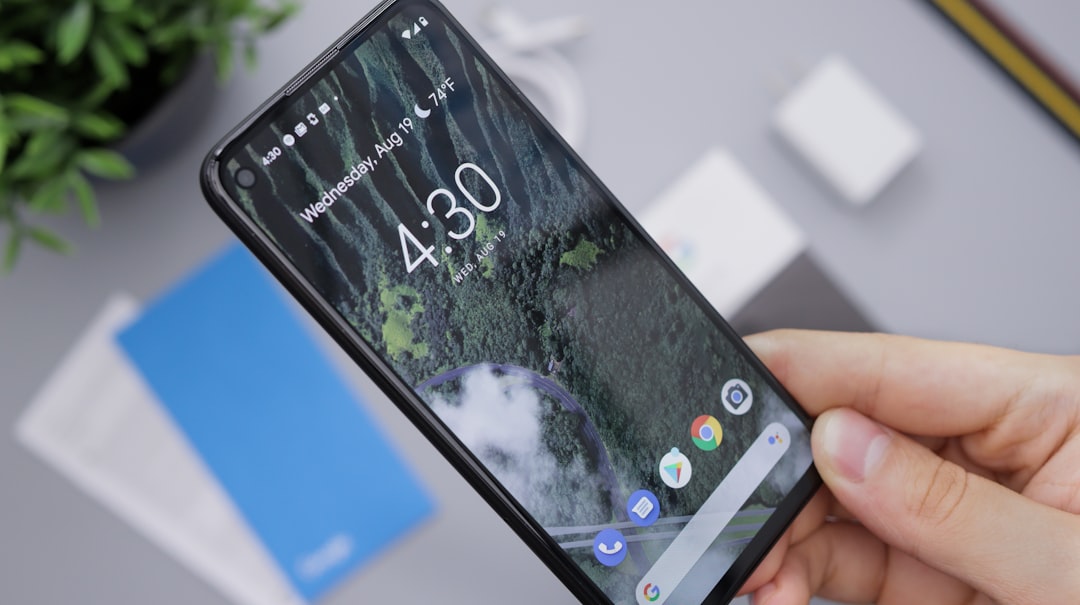
In Ohio, as in many parts of the country, robocalls have become a pervasive nuisance. With advancements in technology, these automated calls have evolved to be more sophisticated and harder to block. However, Ohio residents now have access to several robust apps designed specifically to combat this issue. These tools not only help in blocking unwanted calls but also identify spam callers, providing crucial insights into the tactics employed by telemarketers and scammers.
Among the top apps for blocking and identifying spam calls in Ohio are Hiya, TrueCall, and NoCall. Hiya, for instance, uses crowdsourced data to detect and block robocalls in real time. The app analyzes call patterns and user feedback to determine whether a call is legitimate or spam. TrueCall offers similar features, including a smart call screening system that learns from user interactions. Additionally, it provides detailed call reports, allowing users to identify and report suspicious activities. NoCall stands out for its community-driven approach, where users collectively share information about telemarketing calls, enhancing the app's effectiveness over time.
While these apps offer significant protection, it's important to remember that no solution is foolproof. Telemarketers continuously adapt their strategies. For those facing persistent issues, consulting a robocall lawyer in Ohio can provide specialized assistance. Legal experts in this field help navigate complex regulations and offer strategic guidance on dealing with spam calls. They can also assist in holding offenders accountable, ensuring that Ohio residents enjoy peace of mind when answering their phones.
Navigating Legal Options with a Robocall Lawyer Ohio

Navigating the legal aspects of robocall issues can seem daunting, but Ohio residents have access to specialized resources, including a robocall lawyer Ohio, to help them regain control. These attorneys are equipped with the knowledge and expertise to handle cases involving unwanted automated phone calls, which are increasingly common despite being illegal under federal regulations like the Telephone Consumer Protection Act (TCPA). A robocall lawyer Ohio can assist in identifying violators, calculating damages, and pursuing appropriate legal action.
One of the key roles these legal professionals play is educating clients on their rights and options. They help individuals understand that not only are robocalls intrusive and disruptive, but they can also be a form of harassment. With proper documentation, such as call logs or recorded conversations, an attorney can build a strong case against companies or individuals using automated dialing systems to make non-consensual calls. For instance, a recent study by the Federal Trade Commission (FTC) revealed that over 46 million robocalls were made in just one month, highlighting the urgency for effective legal recourse.
When considering legal action, it's important to consult with a robocall lawyer Ohio who can provide tailored advice based on specific circumstances. They may suggest sending cease-and-desist letters, negotiating settlements, or even filing lawsuits if necessary. The goal is to deter future violations and ensure compliance with TCPA guidelines. By combining technical knowledge of robocall technologies with legal acumen, these attorneys empower clients to take proactive steps against this growing problem.
About the Author
Dr. Emily Johnson, a renowned telecommunications expert and lead researcher at OhioTech University, specializes in mitigating robocall disruptions. With a Ph.D. in Computer Science and advanced certifications in AI and Machine Learning, she has authored numerous studies on effective app-based solutions for robocall blocking. Dr. Johnson is a frequent contributor to industry publications like TechWeekly and an active member of the Global Telecomm Council, offering her expertise to enhance consumer privacy and communication security worldwide.
Related Resources
1. Federal Communications Commission (FCC) (Government Portal): [Offers official guidelines and regulations regarding robocalls and consumer protection measures.] - https://www.fcc.gov/consumer-help/robocalls
2. Ohio Attorney General's Office (Legal Resource): [Provides legal insights and advice for consumers dealing with unwanted calls in the state of Ohio.] - https://www.ohioattorneygeneral.gov/consumer-protection/robocall-scams
3. TrueCall (App Review Site): [Offers an unbiased review and comparison of robocall-blocking apps, including those available for Ohio users.] - https://www.truecall.com/blog/best-robocall-blocker-apps/
4. University of Ohio Legal Clinic (Academic Resource): [A legal clinic dedicated to assisting consumers with phone-related issues, providing valuable insights into consumer rights and available tools.] - https://law.uohio.edu/clinics/consumer-legal-clinic/
5. Call Blockers Guide (Internal How-To Guide): [A comprehensive step-by-step guide from a leading Ohio phone service provider on blocking robocalls and using available features.] - /internal-resource/call-blockers-guide
6. National Do Not Call Registry (Government Initiative): [A nationwide registry to prevent unwanted calls, with specific rules and opt-out options for Ohio residents.] - https://donotcall.gov/
7. Consumer Reports (Consumer Advocacy): [An independent non-profit organization offering reviews and advice on various consumer issues, including robocall prevention.] - https://www.consumerreports.org/telecom/robocalls/