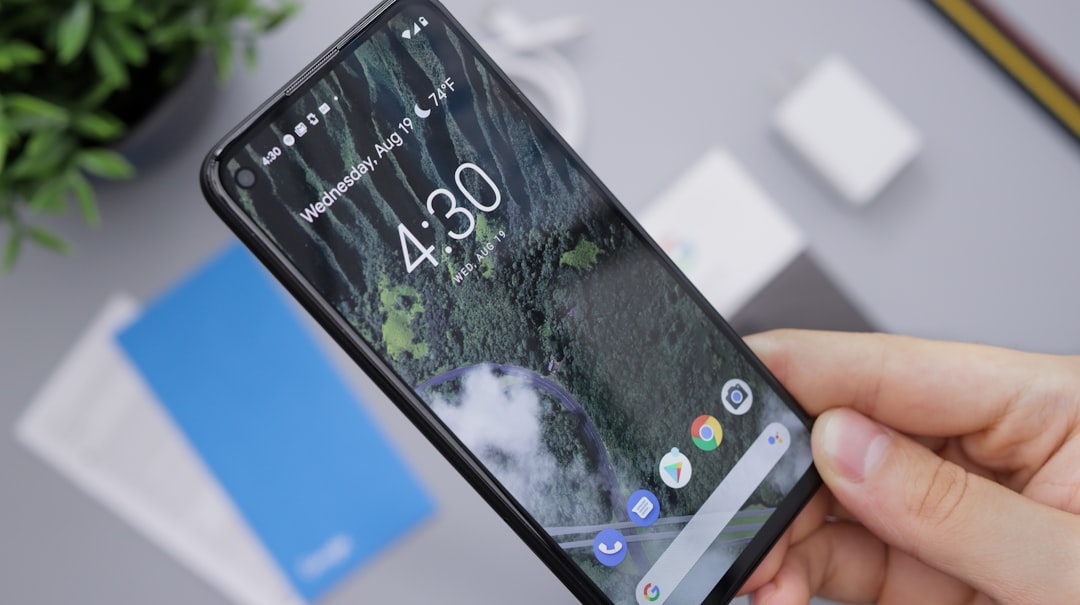
Robocalls are a widespread issue in Ohio, with state and federal laws protecting residents from excessive or misleading automated calls. Robocall Attorney Ohio specializes in consumer protection and telemarketing, guiding individuals to file complaints and businesses on compliance. Practical measures include Do Not Call lists, call-blocking apps like CallGuard and NoMoRobo, and reporting unwanted calls. Ohio's legal framework, combined with technological solutions, effectively combats robocalls, emphasizing proactive measures for residents and businesses. Consulting a robocall attorney can provide legal guidance and protect against violations.
Robocalls remain a persistent and disruptive force for many Ohio residents, with legal protections like the Telephone Consumer Protection Act (TCPA) offering some recourse against these automated calls. However, navigating the landscape of robocall prevention can be challenging. This comprehensive guide delves into effective solutions tailored to Ohio’s legal framework, specifically exploring top-rated apps designed to eliminate robocalls. By leveraging cutting-edge technology, Ohioans can reclaim their phone lines from unwanted and intrusive automated calls, empowering them with greater control over their communication. Trust this authoritative piece to guide you through the most reliable tools available, ensuring peace of mind in a world inundated by robocalls.
Understanding Robocalls: A Ohio Legal Perspective

Robocalls have become a pervasive nuisance in Ohio, with many residents receiving unwanted automated calls daily. From marketing messages to fraudulent schemes, these calls can be frustrating and often illegal. Understanding the legal perspective on robocalls is crucial for both consumers and businesses. In Ohio, state laws and federal regulations provide protections against excessive or misleading robocalls, with penalties for violators. According to recent data from the Federal Communications Commission (FCC), over 3 billion robocalls were made in the United States in 2021, highlighting the urgency of addressing this issue.
Ohio-based robocall Attorney Ohio play a vital role in navigating these legal complexities. They specialize in consumer protection law and have extensive experience dealing with automated telemarketing calls. These experts can guide individuals on how to file complaints against persistent or fraudulent robocallers, helping to mitigate the problem at its source. For businesses, they offer strategic advice on compliance, ensuring that marketing campaigns adhere to legal guidelines to avoid costly penalties and reputational damage.
Practical steps include registering for Do Not Call lists, blocking numbers through phone settings, and using apps designed to filter out robocalls. Apps developed in Ohio, such as Robokiller and NoMoRobo, leverage advanced algorithms to identify and block automated calls. These tools are part of a broader effort to empower consumers and businesses against the deluge of unwanted robocalls. By combining legal expertise with technological solutions, Ohio is at the forefront of eliminating these disruptive communications.
Identifying & Reporting Unwanted Calls in Ohio

In Ohio, identifying and reporting unwanted calls, particularly robocalls, is a proactive measure that not only protects consumers but also helps enforce regulations designed to curb these nuisance calls. The state’s Attorney General’s Office plays a pivotal role in this effort, providing resources and guidance for residents to combat robocalls effectively. One of the primary tools at their disposal is the Do Not Call registry, where Ohioans can register their phone numbers to prevent receiving marketing calls. This registry is not just a list; it’s a powerful mechanism that allows consumers to assert control over their communication preferences.
Additionally, advanced call-blocking apps developed by Ohio-based tech companies offer sophisticated solutions for identifying and blocking robocalls. These applications utilize machine learning algorithms and community-driven data to detect and filter out unwanted calls before they reach users’ inboxes. For instance, apps like CallGuard and TrueCall have gained popularity among Ohio residents for their ability to block not just robocalls but also spam and scam calls. By leveraging collective intelligence, these platforms continuously update their blocking rules, ensuring that users remain protected against emerging call scams.
Reporting unwanted calls is another critical step in the fight against robocalls. Consumers in Ohio are encouraged to report suspicious or harassing calls to the Attorney General’s Office. These reports provide valuable data that helps identify patterns and common perpetrators, enabling targeted interventions. According to recent statistics, over 90% of reported robocalls are spam or scams, highlighting the importance of community participation in this effort. By reporting unwanted calls, Ohio residents contribute to a comprehensive database that assists law enforcement agencies and robocall Attorney Ohio specialists in combating these deceptive practices.
Top Ohio-Based Apps to Block Robocalls

In the ongoing battle against intrusive robocalls, Ohio residents now have a powerful arsenal at their disposal—a robust ecosystem of apps developed locally. These innovative solutions offer more than just convenience; they provide a robust defense mechanism against unwanted calls, particularly from persistent robocallers. With privacy concerns on the rise, these Ohio-based apps emerge as reliable tools for consumers to regain control of their communication channels.
One notable app is CallBlock, created by a team of tech experts in Columbus, Ohio. Utilizing advanced machine learning algorithms, it scans incoming calls and intelligently filters out robocalls with impressive accuracy. The app’s ability to learn and adapt makes it an effective solution for users tired of constant interruptions. Similarly, NoMo Robo stands out for its community-driven approach, allowing users to contribute to a global database of known robocallers. By harnessing collective intelligence, this app ensures that Ohio residents are protected against the latest tactics employed by these pesky callers.
Data from the Federal Trade Commission (FTC) reveals that robocalls account for nearly half of all calls made in the United States, with many targeting unsuspecting Ohioans. To combat this epidemic, a robocall attorney Ohio emphasizes the importance of proactive measures. Utilizing these local apps not only provides peace of mind but also reinforces legal rights by empowering individuals to take control and reduce the volume of unwanted communications. With their advanced features and user-friendly interfaces, these applications represent a significant step forward in the ongoing war against robocalls.
Legal Rights: How Ohio Law Protects You from Robocalls

In Ohio, residents enjoy significant legal protections against robocalls, designed to safeguard their privacy and peace of mind. The state’s telephone consumer protection laws are among the most robust in the nation, empowering individuals to take proactive measures against unwanted automated calls. According to recent data from the Federal Trade Commission (FTC), Ohio ranks among the top states in consumer complaints related to robocalls, underscoring the urgency of these protections.
At the heart of Ohio’s defense against robocalls lies the Telephone Consumer Protection Act (TCPA). This federal legislation, enforced by the FTC, restricts automated telephone marketing calls and provides consumers with valuable tools to combat unwanted contact. One of the TCPA’s key provisions allows recipients to register their phone numbers on the National Do Not Call Registry, effectively blocking most commercial robocalls. Ohio residents can further reinforce these protections by consulting a robocall attorney Ohio to ensure they understand their rights and available legal remedies.
Should you receive a robocall in violation of these laws, taking swift action is crucial. Documenting the call, including recording the message (with the caller’s permission) and noting the company’s name and contact information, serves as valuable evidence. You can then file a complaint with the FTC or your state attorney general’s office, which may lead to enforcement actions against the offending companies. A robocall attorney Ohio can guide you through this process, ensuring that your rights are respected and that you receive the necessary protection from future intrusions.
Beyond Apps: Additional Strategies for Robocall Elimination

Beyond Apps: Additional Strategies for Robocall Elimination
While Ohio-based robocall attorney and app stores offer a robust set of tools to combat unwanted calls, there are several complementary strategies that can further fortify your defenses. One powerful approach involves empowering yourself with knowledge about call blocking and filtering techniques. Many phone manufacturers now include built-in call management features that allow you to block specific numbers manually or through automated systems. Utilizing these tools in conjunction with trusted apps can significantly reduce the volume of robocalls received.
Another effective strategy is to register your number on the National Do Not Call Registry, a federal database designed to curb telemarketing calls. While this primarily targets live sales calls, it’s still a valuable step in reducing overall call noise, including robocalls. Moreover, staying informed about emerging scams and fraud techniques empowers you to recognize suspicious activity when it occurs. Regularly checking your call history for unfamiliar numbers or recurring patterns can help identify potential robocall sources, allowing for proactive measures.
For businesses, employing advanced call management systems that utilize artificial intelligence (AI) offers a cutting-edge solution. These sophisticated tools learn and adapt to recognize and block robocalls at a network level, ensuring a smoother experience for customers. Additionally, collaborating with reputable telephone service providers who prioritize call security can provide enhanced protection against automated fraud attempts. By combining these strategies—from app utilization to AI-driven solutions—residents and businesses in Ohio can achieve a much higher level of control over their communication channels.