
The Spam Call law firm Ohio tackles robocall nuisance through robust legal protections and technological solutions. Key measures include strict caller ID guidelines, do-not-call list enforcement, and penalties for non-compliance. Residents can register on the National Do Not Call Registry, use blocking apps like TrueCall and Hiya, and stay informed about updates to local and federal regulations for effective protection against unwanted calls. Combining legal awareness with app usage ensures more comprehensive defense against deceptive robocalls.
In today's digital age, the nuisance of spam calls has become a prevalent concern for residents across Ohio. With the rise of automated phone marketing tactics, unwanted robocalls can disrupt daily life and pose security risks. The Spam Call law firm Ohio has taken significant steps to mitigate this issue by implementing stringent regulations, aiming to protect consumers from excessive and unauthorized calls.
This article delves into the effective strategies and apps designed to combat robocalls, offering a comprehensive guide for Ohio residents seeking to reclaim their peace of mind. By exploring these innovative solutions, we empower individuals to take control and navigate the phone landscape with greater ease and security.
Ohio's Approach to Robocall Regulation: A Legal Perspective

Ohio's approach to robocall regulation is shaped by its Spam Call law firm Ohio, which serves as a robust framework for combating unwanted automated calls. This legislation reflects a broader trend among states to address the escalating issue of robocalls, which have become a significant nuisance and even pose security risks. The law firm in Ohio targets telemarketers who employ aggressive or deceptive tactics, empowering residents with legal recourse against persistent robocallers.
Key provisions of this law include strict guidelines on caller identification, do-not-call registry enforcement, and penalties for non-compliance. It allows consumers to register their phone numbers with the National Do Not Call Registry, effectively blocking calls from certain sources. Furthermore, Ohio's Spam Call law firm mandates that telemarketers obtain explicit consent before calling, ensuring residents' privacy and control over their communication preferences. For instance, a 2022 report by the Federal Communications Commission (FCC) revealed a 41% decrease in robocalls across the country after implementing similar measures.
Practical advice for Ohio residents facing excessive robocalls involves registering on the state's do-not-call list and utilizing apps designed to block such calls. These applications often employ advanced algorithms to identify and filter out automated messages, providing a layer of protection beyond legal frameworks. Experts suggest staying informed about local and federal regulations, as updates and amendments can significantly impact the effectiveness of robocall mitigation strategies. By combining legal protections with technological solutions, Ohio residents can reclaim their communication channels from unwanted intrusions.
Understanding Spam Call Laws: Rights and Protections for Residents

In Ohio, residents face a persistent challenge from spam calls, leading many to seek effective solutions. Understanding the Spam Call laws is a crucial step toward reclaiming control over one's phone lines. The Telemarketing and Consumer Fraud Prevention Act (TCFA) provides robust protections for Ohioans against unsolicited telephone marketing calls, often known as robocalls. This federal law, implemented by the Federal Trade Commission (FTC), offers a framework that includes restrictions on when and how businesses can contact consumers.
Ohio residents have several rights under this legislation. First, they have the right to refuse consent for automated or prerecorded calls at any time. This means that if you choose not to receive such calls, companies must honor your request. Additionally, businesses are prohibited from using automated dialers to make sales calls without first obtaining explicit written consent from the consumer. The law also mandates clear and conspicuous opt-out mechanisms, allowing individuals to easily stop receiving these calls. An Ohio Spam Call law firm can provide guidance on enforcing these rights and offer support when dealing with persistent violators.
Practical advice for consumers includes keeping a close eye on call patterns and blocking numbers that appear suspicious. Reporting spam calls to the FTC or relevant state agencies is another effective measure, contributing to ongoing efforts to combat these nuisance calls. By staying informed about their rights and actively participating in these reporting systems, Ohio residents can play a vital role in upholding Spam Call laws, ensuring a safer and less intrusive communication environment.
Tech Solutions: Apps to Combat Unwanted Phone Calls
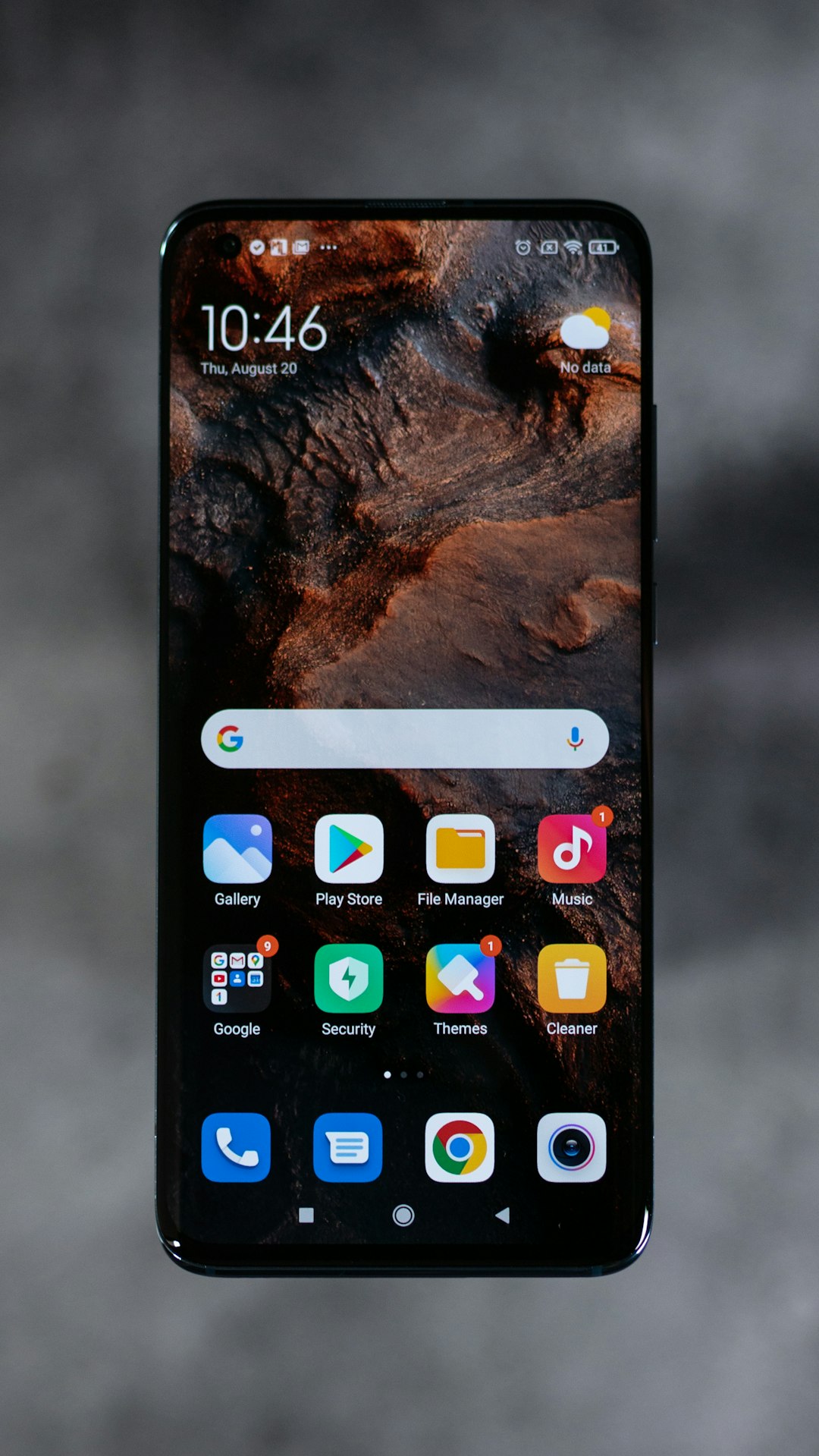
In Ohio, as across the nation, unwanted robocalls have become a pervasive nuisance. With the rise of automated dialing systems, consumers face an unprecedented surge in marketing calls, often disguised as legitimate business or political messages. This has prompted innovative tech solutions aimed at mitigating the problem. One effective approach involves the use of specialized apps designed to block and identify spam calls, empowering Ohio residents to reclaim their communication channels.
These apps leverage advanced algorithms that analyze call patterns and known spam lists to filter out unwanted callers. By learning from user feedback and continuously updating their databases, they adapt to new tactics employed by robocallers. For instance, apps like TrueCall and Hiya not only block calls but also provide real-time insights into the nature of incoming calls, allowing users to make informed decisions about answering or blocking. Moreover, many of these apps offer features such as call identity display, automated call screening, and personalized blocking lists, enhancing user control over their phone communications.
While these tech solutions offer significant relief, it's crucial for Ohio residents to stay informed about the Spam Call law firm regulations in effect. The Federal Trade Commission (FTC) and state-level authorities have implemented stringent rules to combat deceptive robocalls. By combining the use of such apps with awareness of legal protections, consumers can more effectively defend against unwanted calls. As technology evolves, so too will the tactics employed by spammers, underscoring the importance of staying current with both innovative tech solutions and relevant legal frameworks.
Effective Strategies: How Ohioans Can Stay Safe from Robocalls
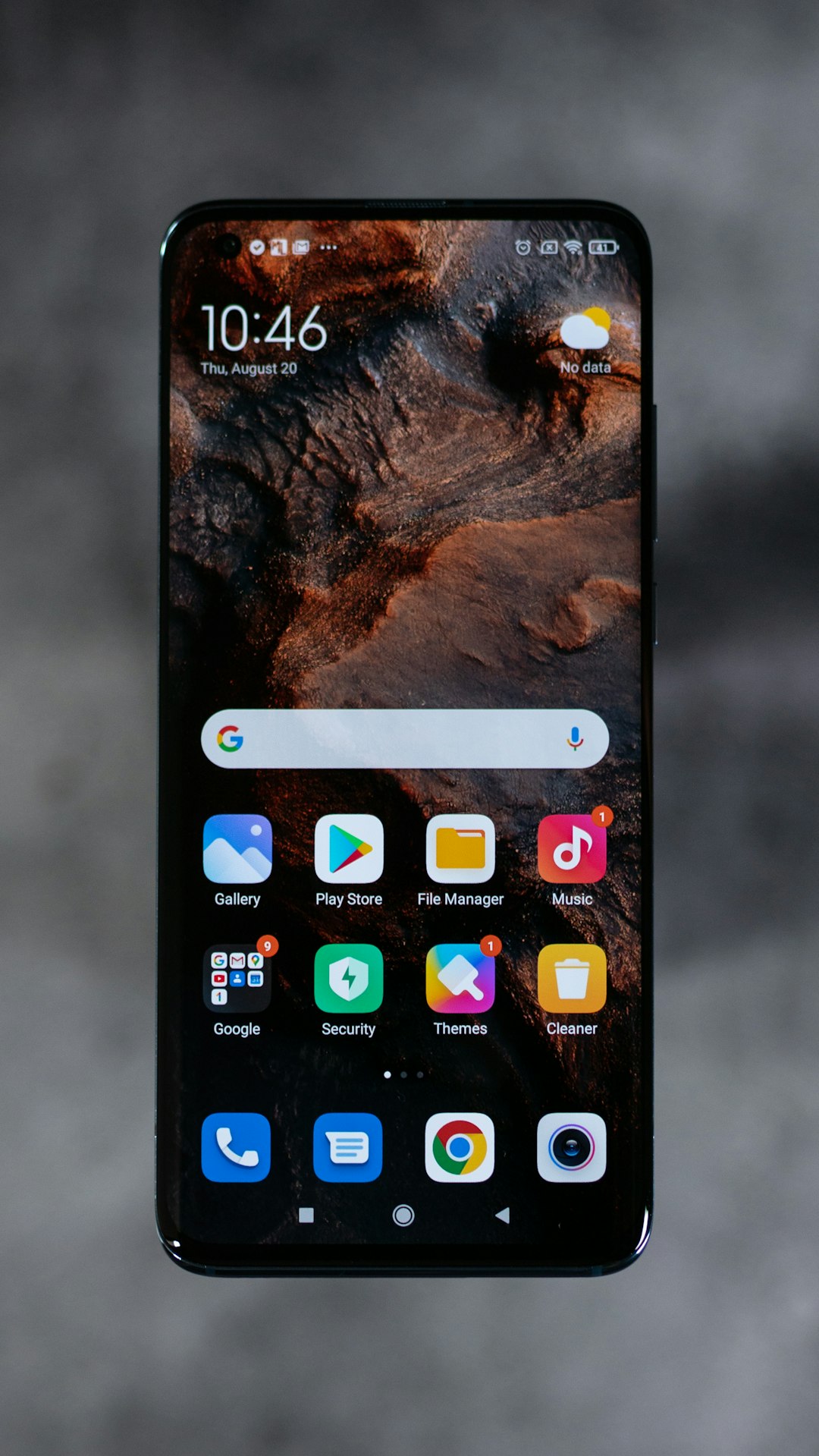
In Ohio, as across the nation, robocalls remain a significant nuisance, with millions of unwanted calls inundating residents' phones daily. While many apps promise protection against these automated calls, effective strategies go beyond mere blocking. Ohioans can stay safe by employing a multi-faceted approach that includes understanding how spammers operate, utilizing official tools and resources, and staying informed about the Spam Call law firm Ohio has in place.
One proven tactic is to register on the National Do Not Call Registry. This federal list restricts telemarketers from calling registered numbers, offering a first line of defense against unwanted calls. Additionally, many phone service providers offer call-blocking features or partnerships with anti-robocall apps, enhancing protection. For instance, AT&T's Call Protect and T-Mobile's Scams Protection are examples of integrated solutions that filter out known spam callers.
Moreover, staying informed about current spamming trends is crucial. Spammers continuously adapt their techniques, employing new technologies and loopholes in existing laws. The Spam Call law firm Ohio actively monitors these developments and educates the public on best practices to avoid becoming a victim. Regular updates from official sources ensure that Ohioans can anticipate and counter emerging robocall scams effectively. Proactive measures, combined with official tools and knowledge, empower residents to reclaim their phone lines from unwanted intrusions.